AI has many uses—or at least that's what we keep being told—but one area where it might do some good is helping with the notoriously complex legal process. After all, should you find yourself faced with the task of self-representation in an upcoming court case, perhaps an AI may be able to present your arguments more successfully than you. Jerome Dewald tried just that in the New York State Supreme Court last month, but the judges were far from impressed by his creative use of technology.
Dewald was representing himself as a plaintiff in an employment dispute, , but felt that an would deliver his opening presentation better than he could due to a tendency to mumble and trip over his words. He first attempted to generate a digital replica of himself with "a product created by a San Francisco tech company", but when he ran out of time he used a generic avatar instead.
It's not the first time we've heard about the intersection between AI and legal services. Legal advice startup DoNotPay to help defendants with court proceedings, although the company found itself last year for a perceived lack of testing to back up its effectiveness claims.

: The top pre-built machines.
: Great devices for mobile gaming.
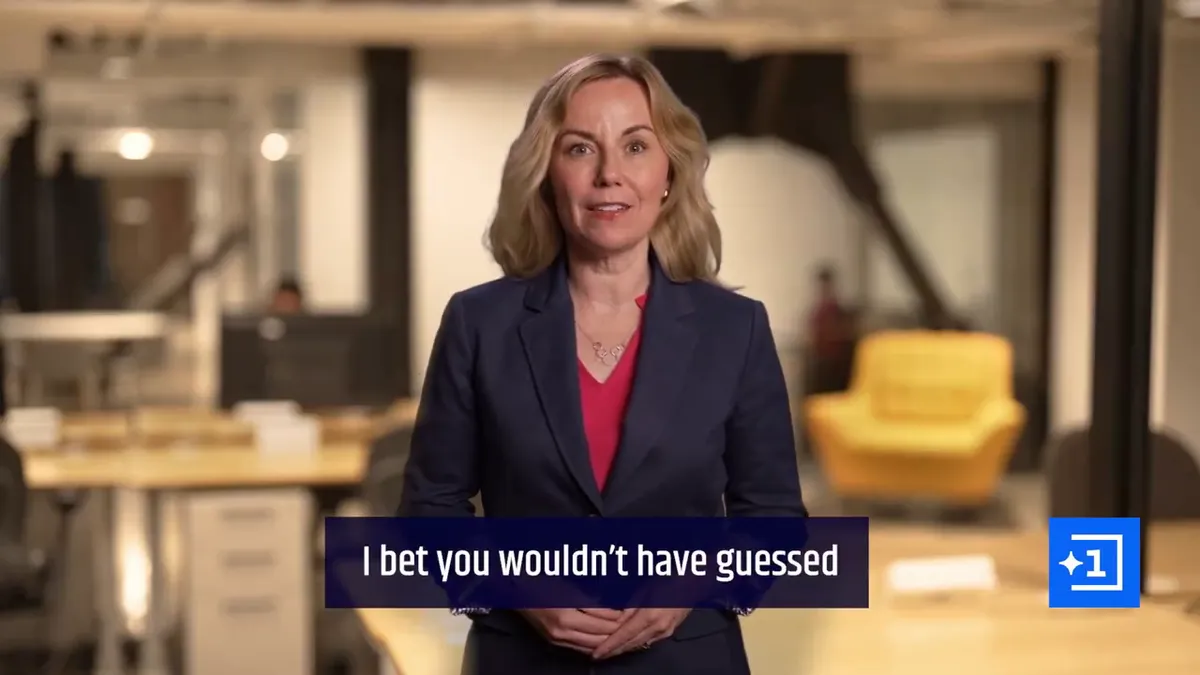
Nor is it the first time AI avatars have been used as stand-ins for real people. News startup Channel 1 showed off a proof-of-concept video of last year, and the results were quite convincing.
However, this might be the first use of an AI avatar making h25 com สล็อต arguments in a US court. Not that the AI representative got much past its preamble, but still, firsts are firsts. And given the often ridiculous expense associated with court proceedings, it does strike as a potentially useful workaround for those without access to a good lawyer—or the funds to pay one, at the very least.
Still, it didn't pass muster in this particular instance. While I'd be very surprised if summarisation tools like weren't being used all over the legal system at this point to scythe through complicated legal documents, it appears it may be a while yet before AI representation sets a legal precedent of its own.